Pruning shears that make every cut count.

From delicate roses to woody shrubs, find the right shears for clean cuts and healthy plants. Bypass and anvil designs with ergonomic handles for every hand size.

Choose your tool

Types of Pruning Shears

Not all pruners are the same. Understanding the differences helps you match the tool to the plant, branch, and hand that will use it.

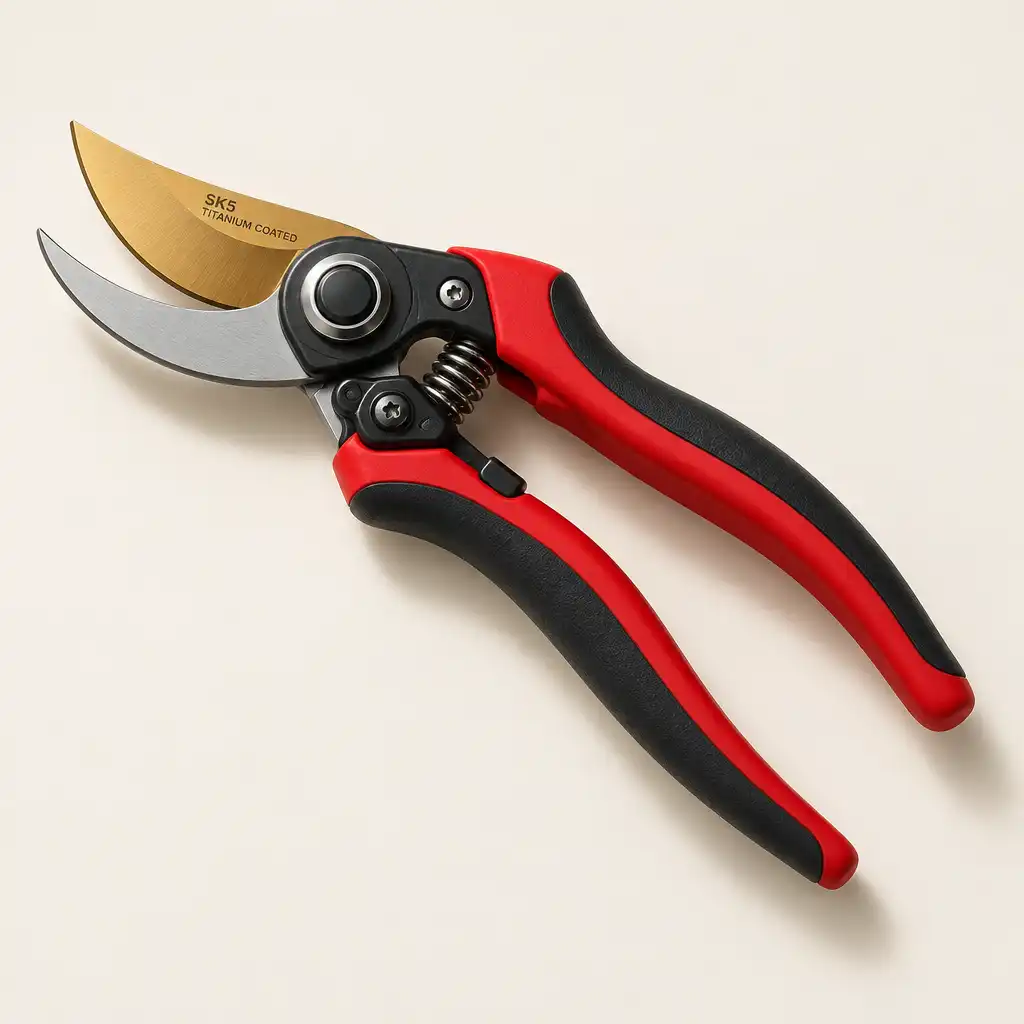
Bypass Pruners

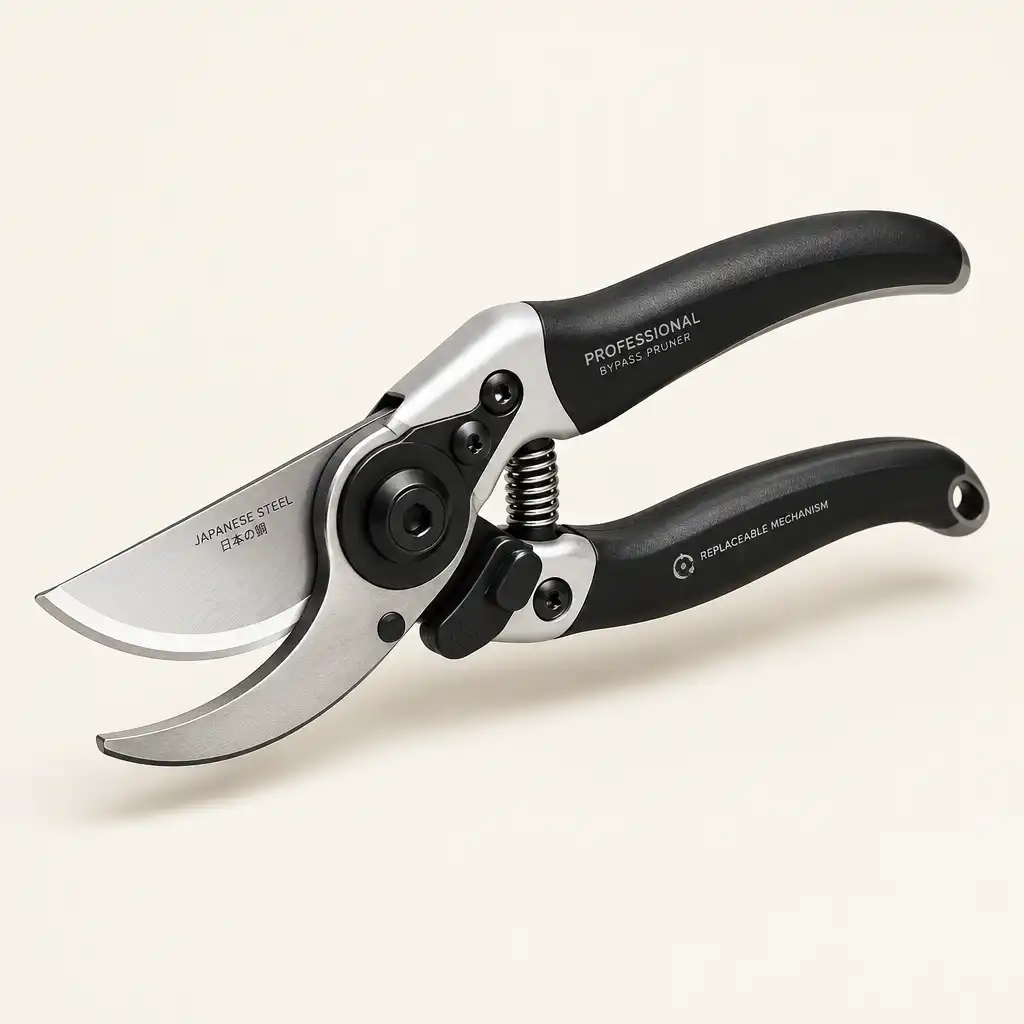
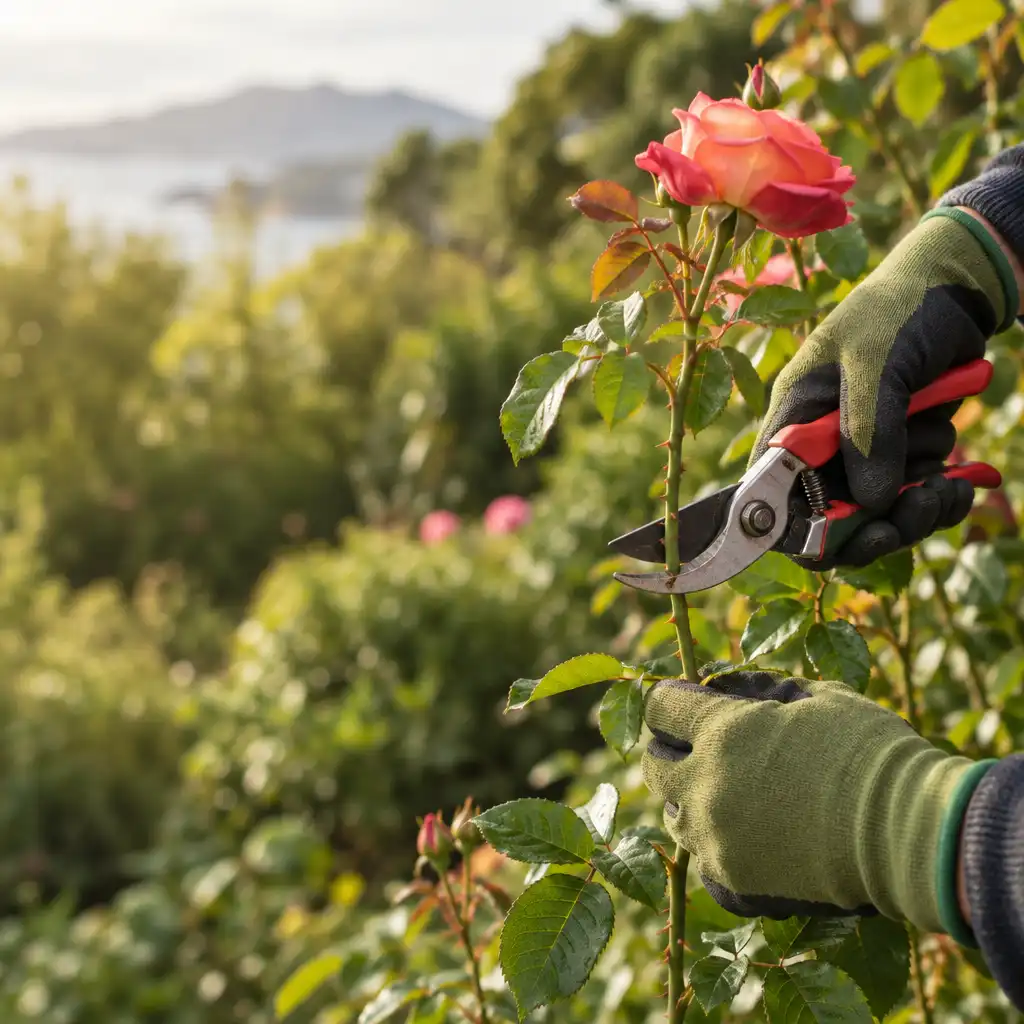
Bypass pruners work like scissors with two curved blades that pass by each other, making clean cuts on live, green growth. This slicing action is gentle on plant tissue and ideal for roses, shrubs, and young branches up to 20mm.

  • Less crushing damage promotes faster healing.
  • Available with ergonomic handles and replaceable blades.
  • Best for live stems and soft green wood.
Anvil Pruners

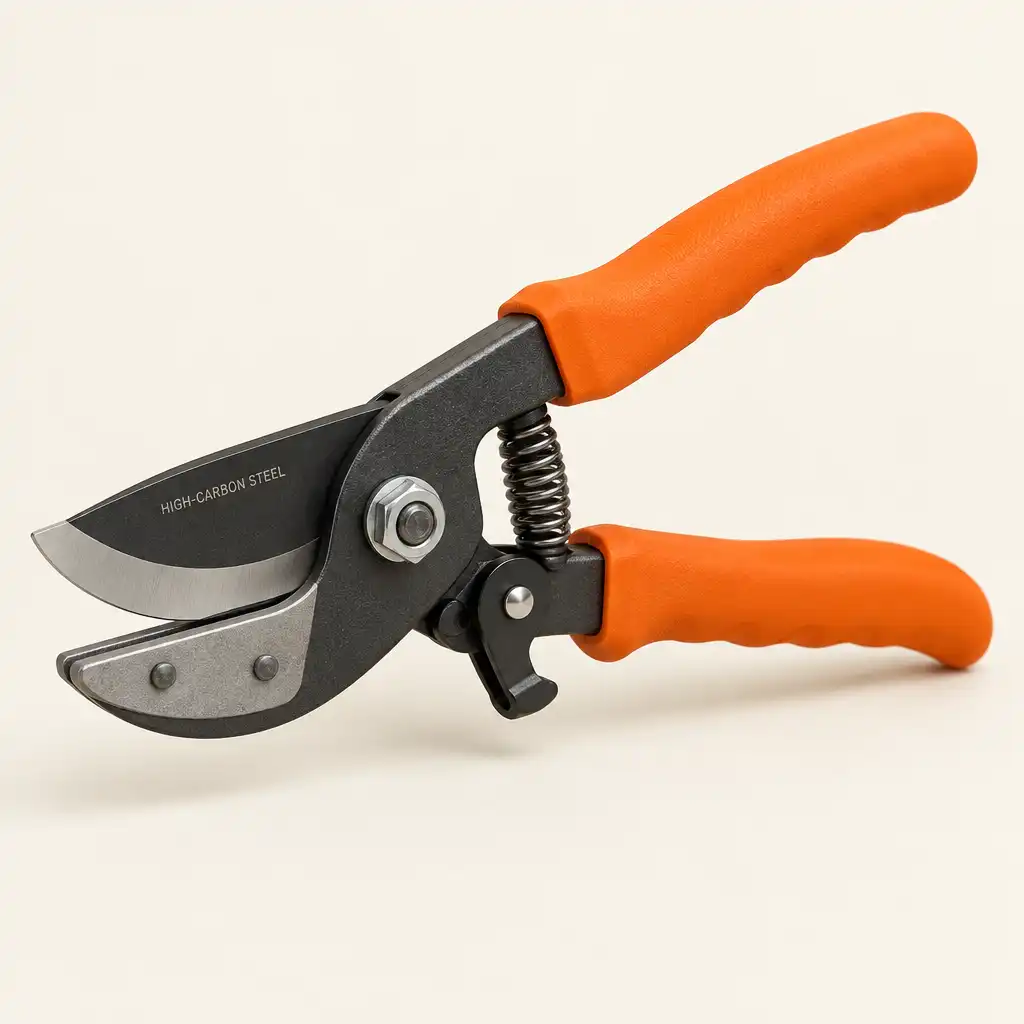
Anvil pruners have a single straight blade that closes onto a flat, softer surface, concentrating force for cutting through dead or woody material. The slightly crushing action is acceptable on non-living tissue.

  • Best for deadwood, dry branches, and tough stems.
  • Often preferred for larger hands due to wider grip.
  • Requires less frequent sharpening than bypass blades.

Ratchet and Geared Pruners

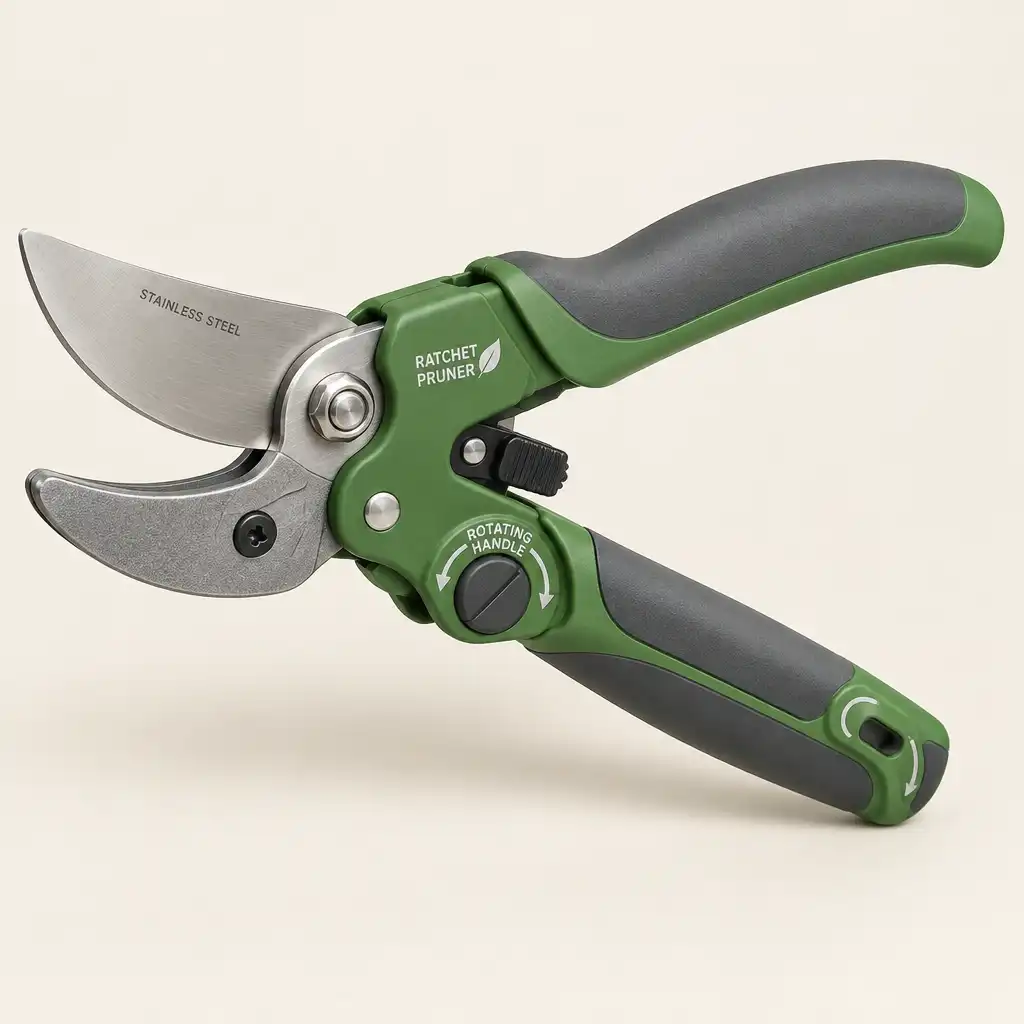
Ratchet pruners multiply hand strength through a step-by-step cutting mechanism, making them excellent for gardeners with reduced grip strength or arthritis. The blade cuts in stages, reducing effort per squeeze.

  • Suitable for branches up to 25mm depending on model.
  • Often feature rotating handles for comfort.
  • Great for extended pruning sessions.
Built to last

Why Quality Matters

A good pair of pruning shears should feel like an extension of your hand. These are the features that separate dependable tools from disposable ones.

Blade Material

High-carbon steel blades stay sharp longer and resist rust when coated. Look for hardened steel with a non-stick coating for smooth cuts. SK5 and Japanese steel are common high-quality options, while titanium or chrome coatings reduce sap buildup.

Ergonomic Handles

Comfortable grips reduce hand fatigue during long pruning sessions. Rotating handles and cushioned grips are especially helpful for repetitive tasks. Look for non-slip materials like rubber or gel, and ambidextrous designs that suit both left and right-handed users.

Cutting Capacity

Match the maximum cutting diameter to your typical tasks. Most bypass pruners handle up to 20mm, while heavy-duty models can cut 25mm or more. Cutting capacity is usually listed in product specs, and using shears beyond capacity can damage blades and plants.

Locking Mechanism

A secure locking mechanism keeps blades closed when not in use, preventing accidents and protecting the cutting edge. Common types include thumb locks and sliding locks. One-handed operation is a plus for convenience when moving between plants.

Spring Pruning Essentials

Get your garden ready for spring with our top pruning picks. Save 10% on all pruning shears this month.

Shop Spring Picks
Buying guide

How to Choose the Right Pruning Shears

Follow these four steps to narrow down the options and pick a pair that will serve you well for years.

  1. Assess Your Pruning Tasks

    Identify the plants you prune most often and the branch sizes involved. This determines whether you need bypass, anvil, or ratchet shears. Roses and soft stems call for bypass; deadwood and dry branches suit anvil; limited hand strength points to ratchet.

  2. Consider Your Hand Size and Grip

    Choose shears with handles that fit comfortably in your hand. Look for adjustable or rotating handles if you prune for extended periods. Measure your hand span if unsure, and test the grip in store if possible.

  3. Evaluate Blade Quality and Maintenance

    Opt for high-carbon or stainless steel blades with a non-stick coating. Check if blades are replaceable and how easy it is to sharpen them. Replaceable blades extend tool life, and non-stick coatings reduce sap buildup.

  4. Set a Budget

    Pruning shears range from $20 to $100+. Invest in quality if you prune frequently; occasional users can opt for mid-range models. Professional-grade shears often cost more but last longer, and many come with warranties.

Long-term care

Care and Maintenance Tips

A few minutes of routine care keeps your shears sharp, safe, and ready for the next pruning session.

Cleaning and Sharpening

Wipe blades after each use to remove sap and debris. Sharpen regularly with a diamond file or sharpening stone, following the original blade angle. Use rubbing alcohol to disinfect blades between plants, and sharpen at least once per season.

Lubrication and Storage

Apply a light oil to the pivot joint to keep action smooth. Store shears in a dry place, preferably with blades closed and locked. Use machine oil or camellia oil, and avoid leaving shears outdoors where moisture can cause rust.

Social proof

Customer Reviews

Real feedback from New Zealand gardeners and professionals who use these shears every week.

"These bypass pruners are fantastic for my roses. Clean cuts and comfortable grip. Highly recommend!"

Sarah M., Auckland

Precision Bypass Pruner

"As a professional landscaper, I need reliable tools. The heavy-duty anvil pruner handles thick branches with ease."

James T., Christchurch

Heavy-Duty Anvil Pruner

"The ratchet pruner is a game-changer for my arthritis. I can prune for hours without pain."

Helen R., Wellington

Ratchet Comfort Pruner

Common questions

Frequently Asked Questions

Quick answers to the questions we hear most often from New Zealand gardeners.

Ready to buy?

Find your perfect pair of pruning shears today and enjoy free NZ delivery on orders over $100. Easy returns and trusted local support.

Shop Pruning Shears